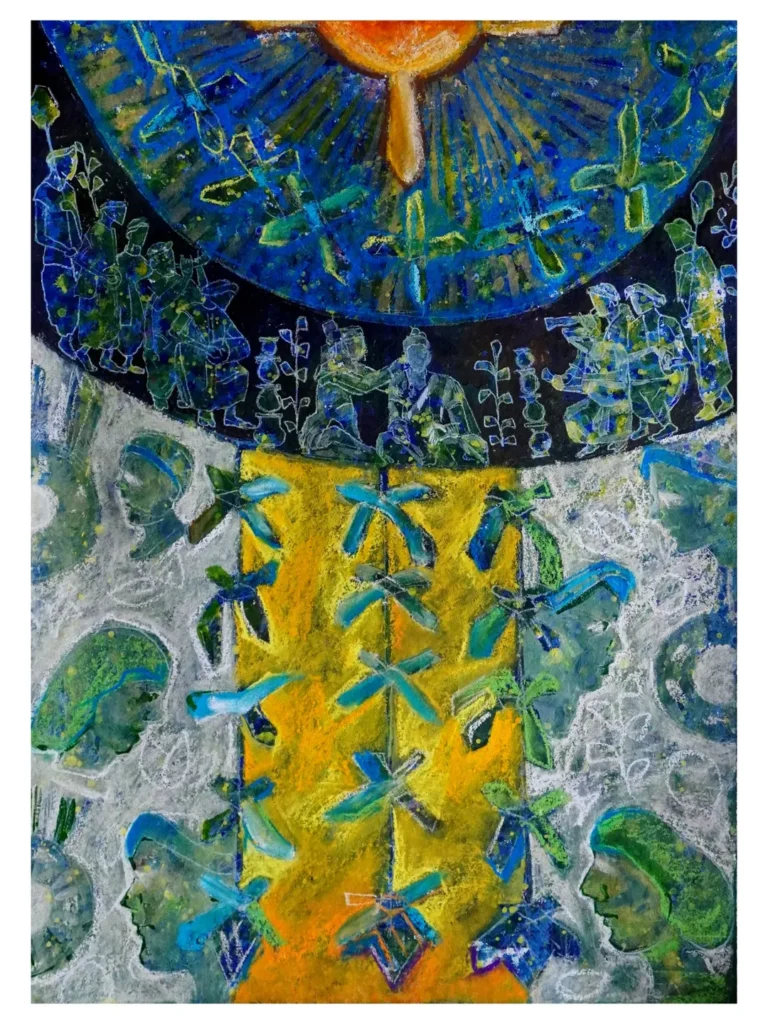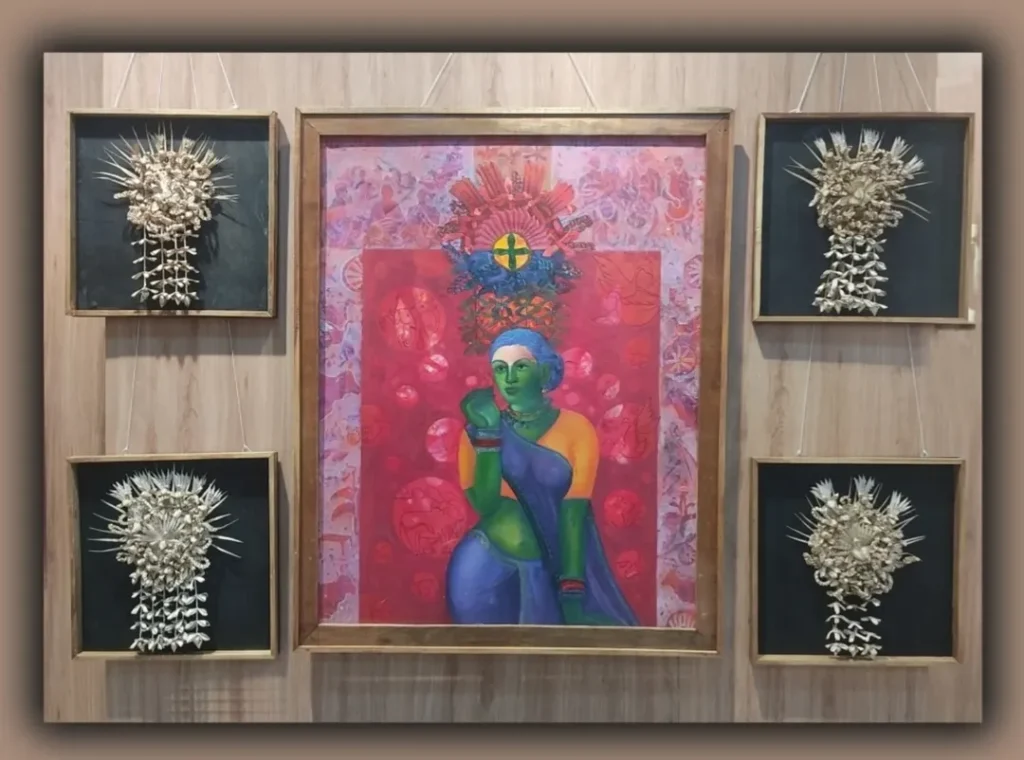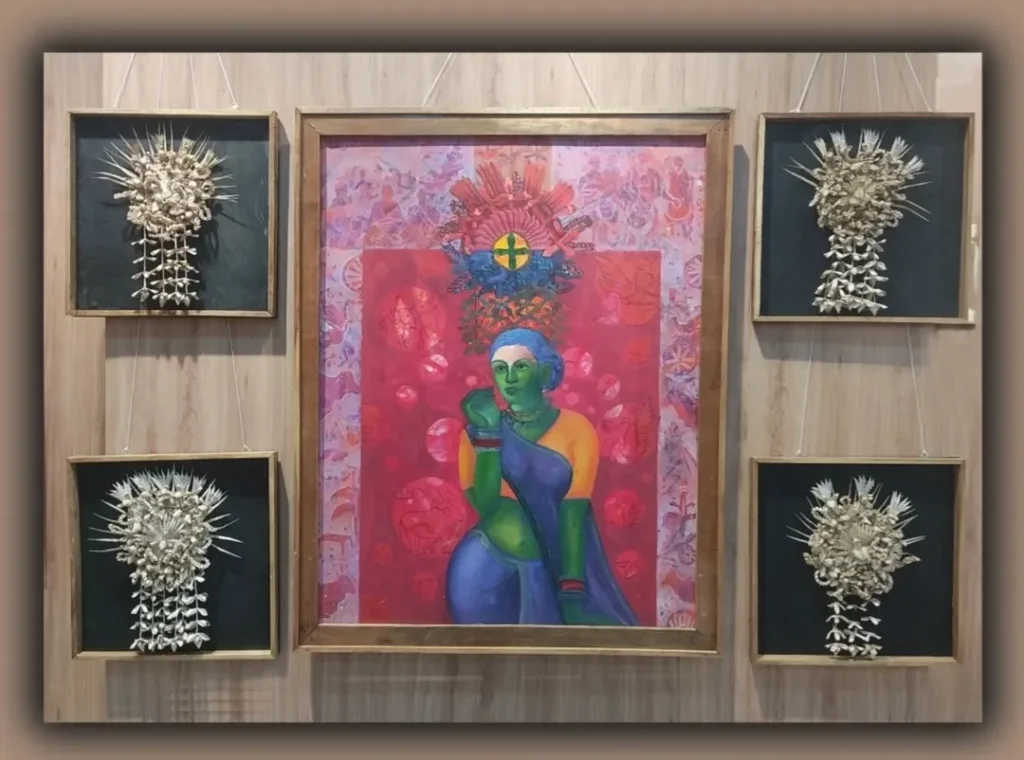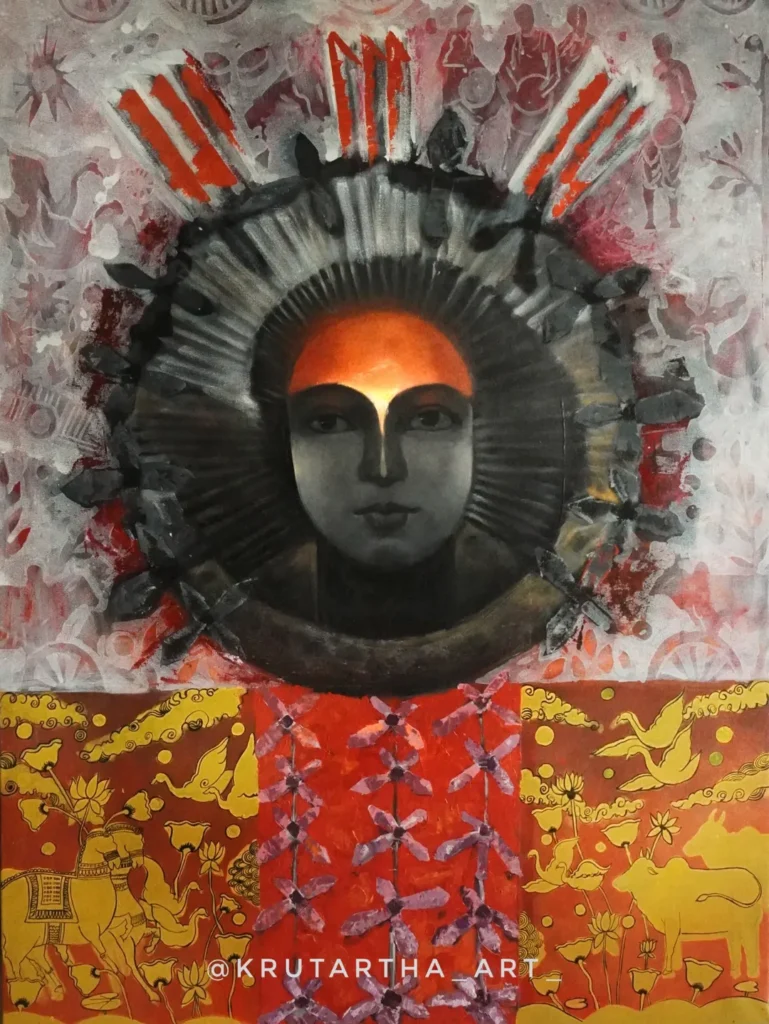
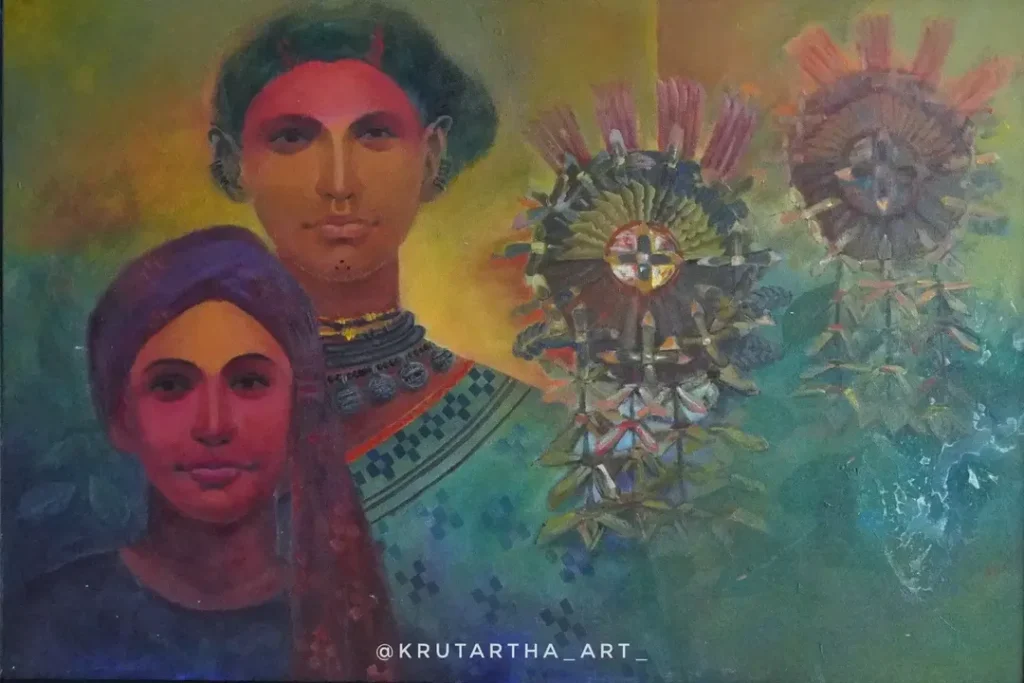
India’s tribal communities preserve some of the country’s most fascinating cultural traditions. Among them, the Gond Tribe of Odisha carries forward a unique and sacred wedding custom centered around the Khajuri Mukuta, a beautifully handcrafted crown made from tender date palm leaves. More than a decorative headpiece, the Khajuri Mukuta symbolizes protection, prosperity, commitment, and the beginning of a new chapter in life.
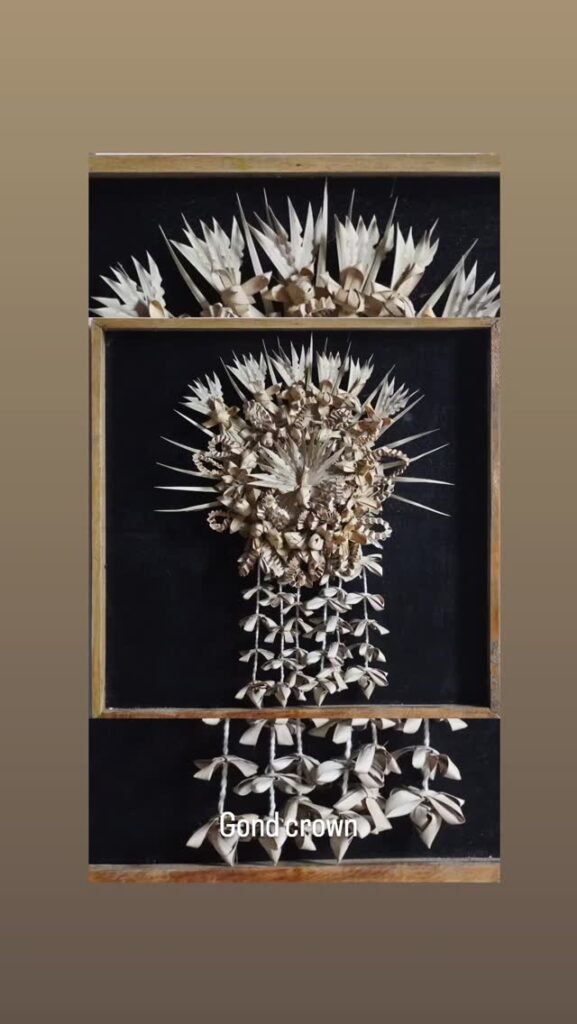
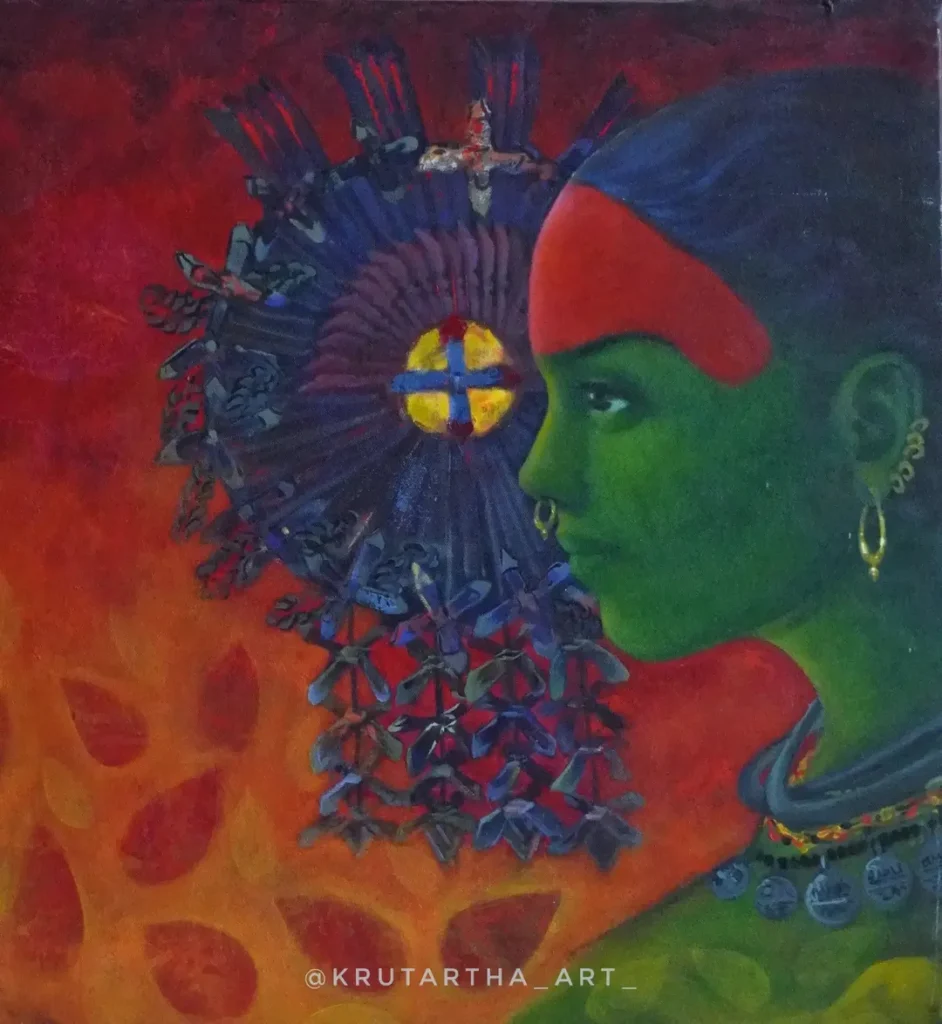
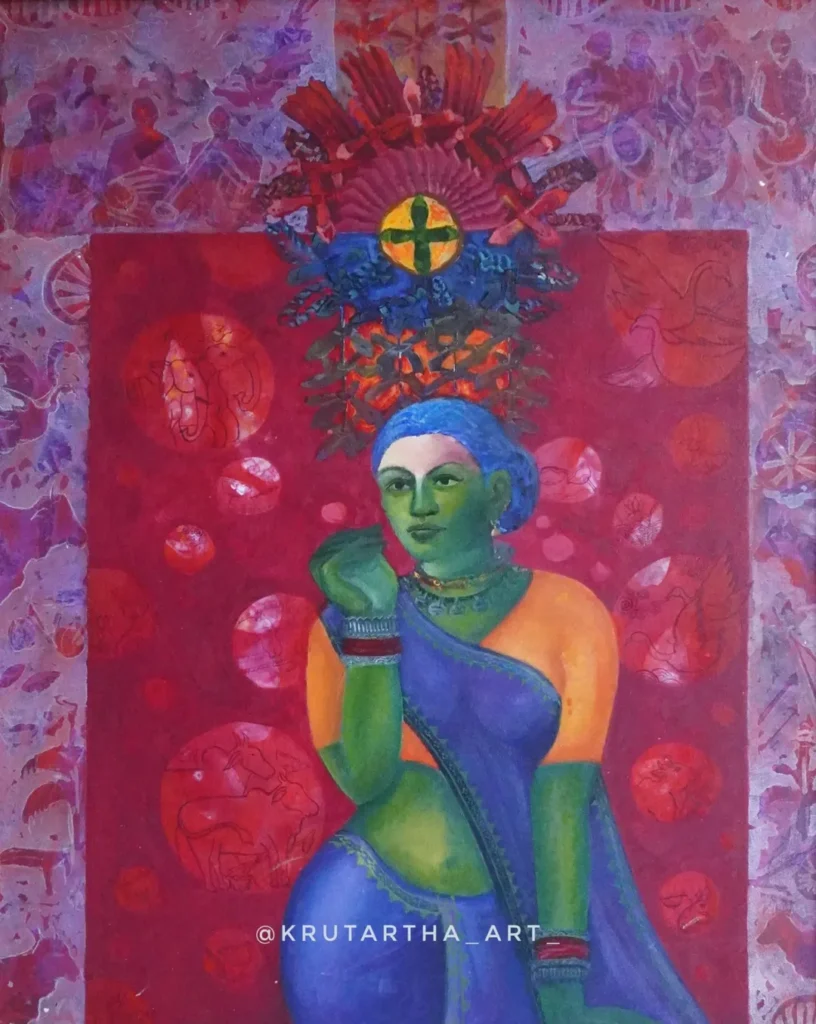
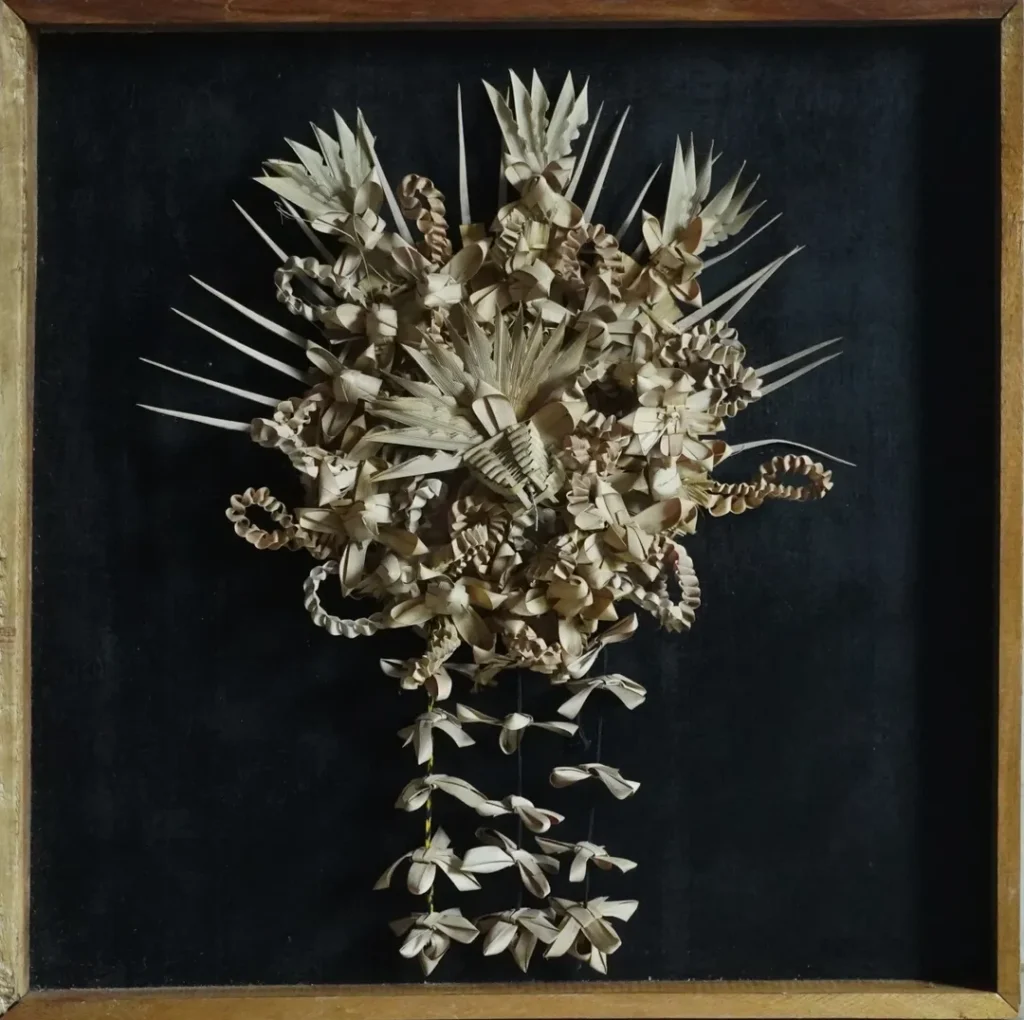
Khajuri Mukuta is a traditional wedding crown crafted from young date palm leaves and worn by Gond brides and grooms during marriage ceremonies. The couple is regarded as a king and queen while wearing these crowns, highlighting the importance and sanctity of marriage within the community.
The Gond people believe that palm trees possess remarkable resilience and can withstand lightning strikes. This belief has given the Khajuri Mukuta a deeper symbolic meaning: it serves as a shield against life’s challenges and adversities, offering protection and strength to the newly married couple.
The creation of Khajuri Mukuta begins nearly a month before the wedding. Families of both the bride and groom approach the local gardener, who is entrusted with the responsibility of crafting the sacred crowns.
As a mark of respect, the families present gifts such as coconuts, incense sticks, vermilion, and new cloth. After accepting these offerings, the gardener carefully selects suitable tender date palm leaves from nearby areas.
Once the leaves are collected, they are wrapped in the cloth provided by the families and brought home. Recognizing the sacred nature of the task, the gardener’s family welcomes him with reverence. Before any crafting begins, a worship ceremony is performed to seek divine blessings.
The palm leaves are then dried under the sun and prepared for weaving. The gardener uses exceptional skill and creativity to transform the leaves into intricate crowns worthy of one of life’s most important ceremonies.
Traditionally, two sets of Khajuri Mukuta are made for each couple:
1. The Simple Crown
A smaller and simpler crown is worn during the initial stages of the marriage ceremony.
2. The Decorative Crown
A larger, more elaborate crown is worn during the final and most significant ritual stages of the wedding.
These crowns symbolize the couple’s commitment to one another, their acceptance of family responsibilities, and their honorable place within society.
On the wedding day, family members visit the gardener’s home once again to collect the sacred crowns. The bride and groom first wear the simpler crowns during the early rituals and later adorn the more decorative crowns during the final ceremonies.
The transformation from the simple crown to the ornate one represents the couple’s journey into married life, embracing both personal commitment and social responsibility.
The Khajuri Mukuta is far more than a wedding accessory. It embodies:
Through this tradition, the Gond Tribe continues to preserve a valuable cultural heritage that has been passed down through generations.
In recent years, artisans have introduced variations in colors and decorative materials while retaining the traditional palm leaf foundation of the crown. These adaptations reflect evolving artistic expressions while honoring the original cultural significance of the Khajuri Mukuta.
The journey of the Khajuri Mukuta does not end with the wedding ceremony. According to tradition, the first simpler crown is buried after the marriage. The second, more decorative crown is preserved and placed in the family’s shrine or hung near the household altar.
This sacred crown is believed to bring prosperity, blessings, and good fortune to the newly established family.
The Khajuri Mukuta tradition stands as a remarkable example of India’s rich tribal heritage, where art, spirituality, and community values come together. Through the skilled craftsmanship of local gardeners and the unwavering faith of the Gond community, this unique wedding ritual continues to thrive, preserving an important cultural legacy for future generations.
As modern influences reshape many traditions, the Khajuri Mukuta remains a powerful symbol of identity, resilience, and the enduring beauty of Gond tribal culture.
Interestingly, the sacred use of tender palm leaves in ceremonial traditions is not unique to the Gond community of India. A striking parallel can be found in Bali, Indonesia, where beautifully decorated Penjor—arched bamboo poles adorned with young coconut and palm leaves—are displayed during the Hindu festival of Galungan and are also commonly seen during weddings and other auspicious ceremonies.
Like the Khajuri Mukuta, the Penjor symbolizes prosperity, divine blessings, gratitude, and protection.
These similarities reflect the deep cultural connections that spread through ancient Hindu traditions across South and Southeast Asia, adapting to local customs while preserving shared spiritual values.
For the Gond Tribe, the Khajuri Mukuta remains a unique expression of indigenous identity and sacred marriage rituals, yet its resemblance to Bali’s traditions reminds us of the enduring influence of nature-based symbolism within Hindu culture.
Together, these traditions highlight how sacred craftsmanship, devotion, and reverence for natural materials continue to unite diverse communities across regions while celebrating their distinct cultural identities.
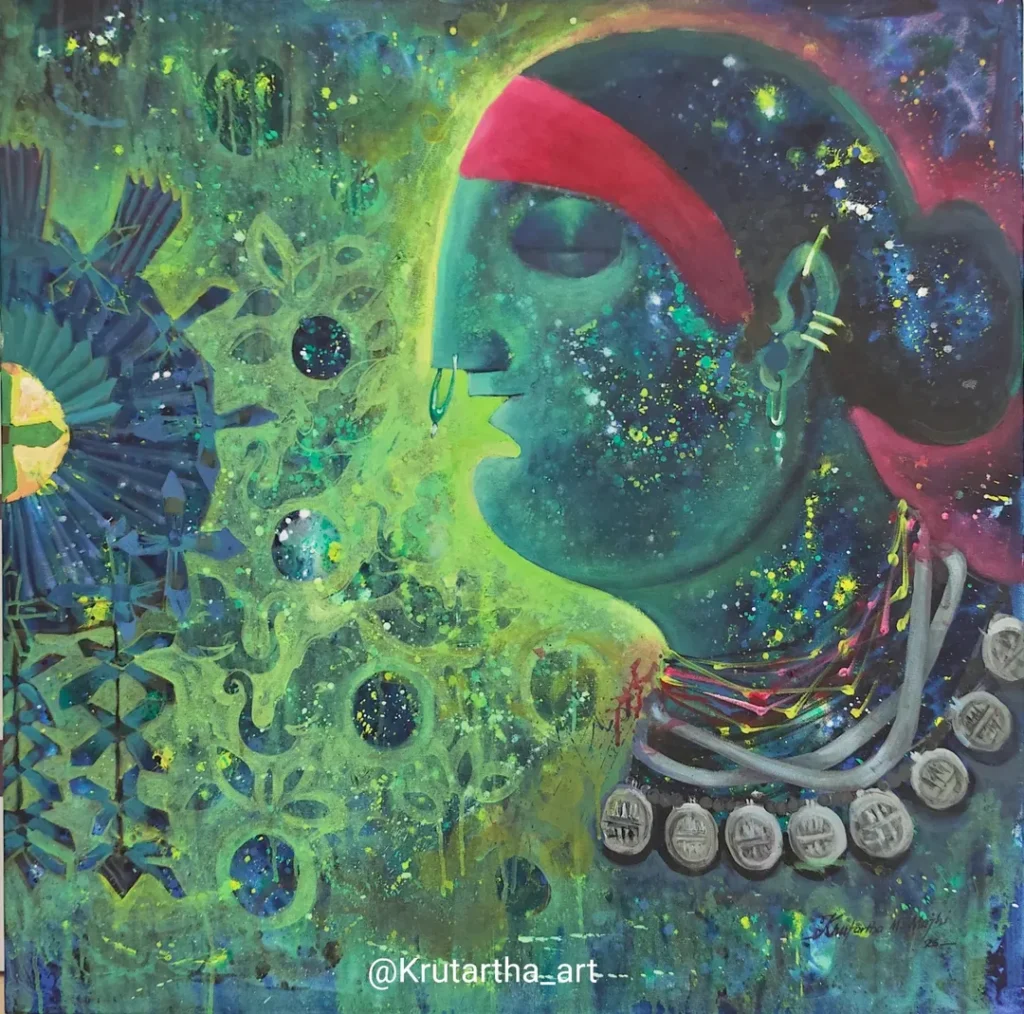
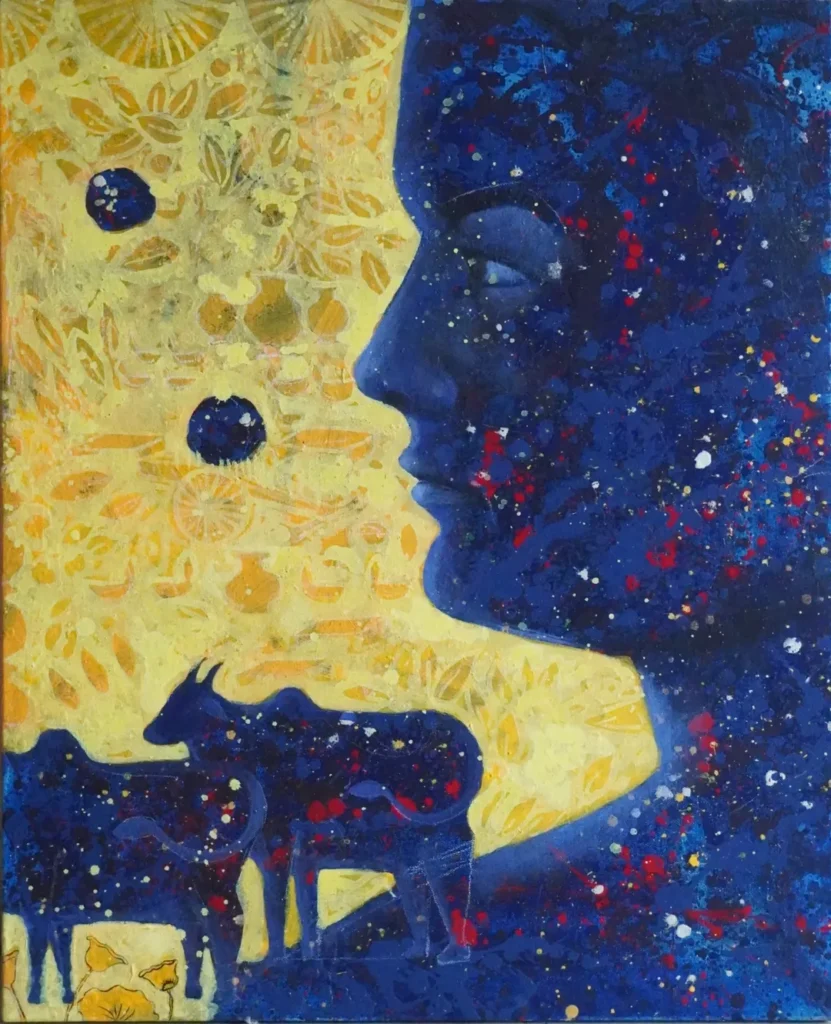
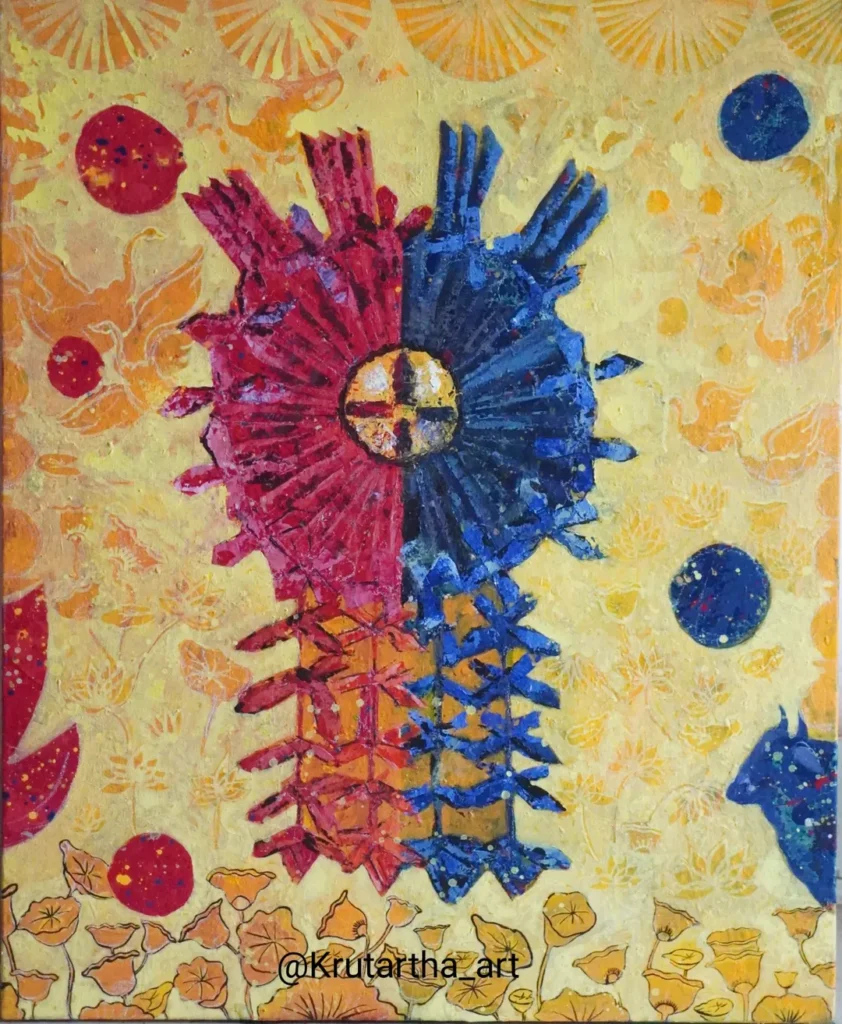
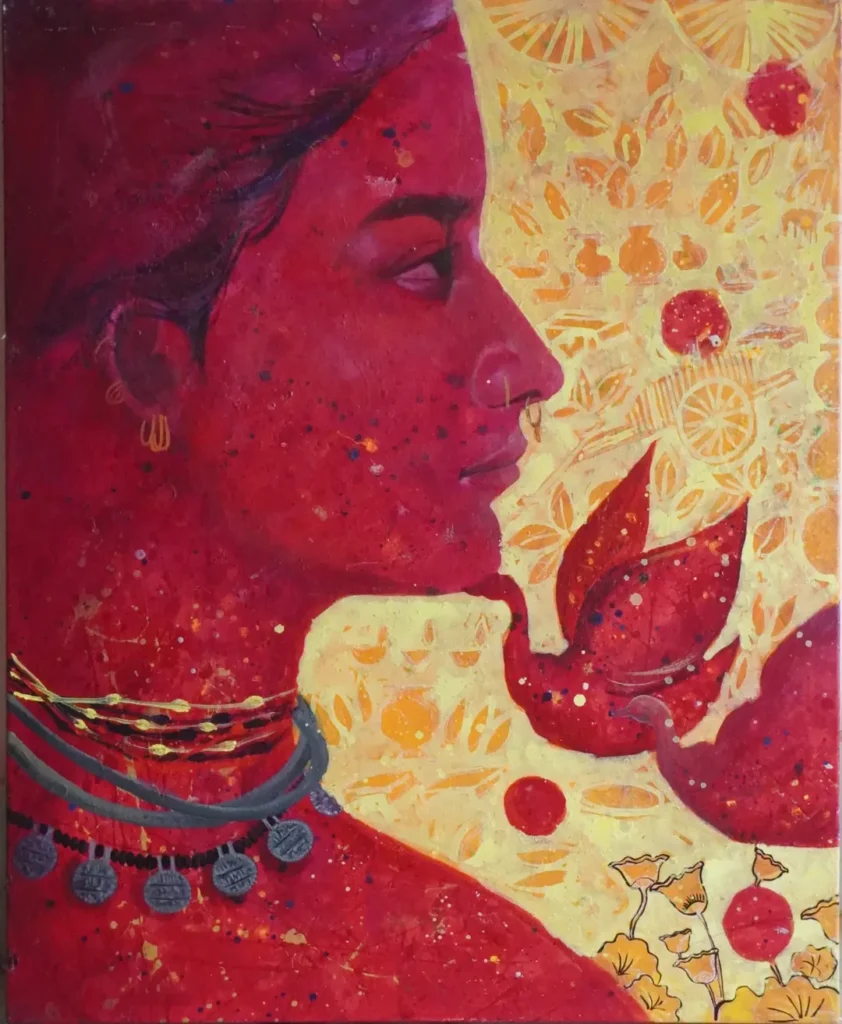
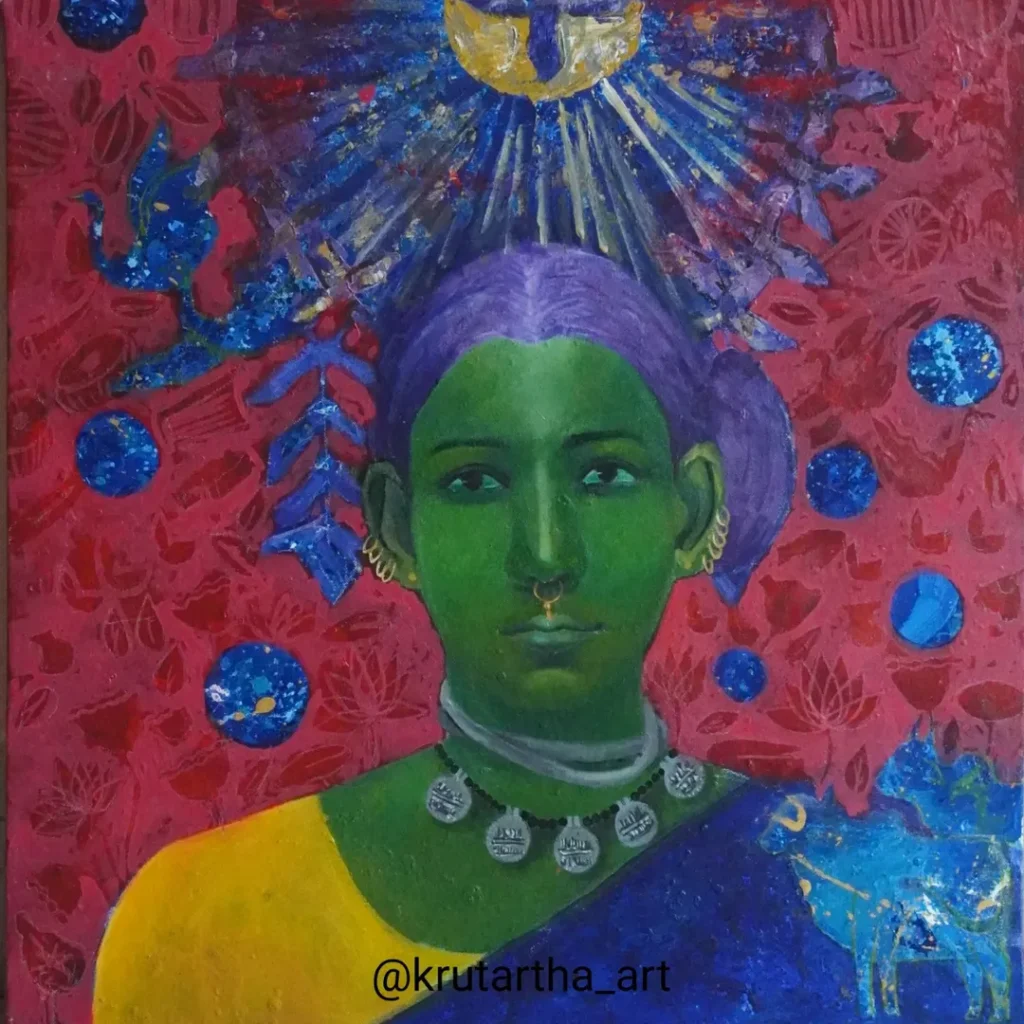
Artist Krutartha shared about the tradition. He belongs from Gondh tribe from Odisha.
Instagram : @krutartha_art_